

A Simple Guide to Finding Focus and Making a Bigger Impact
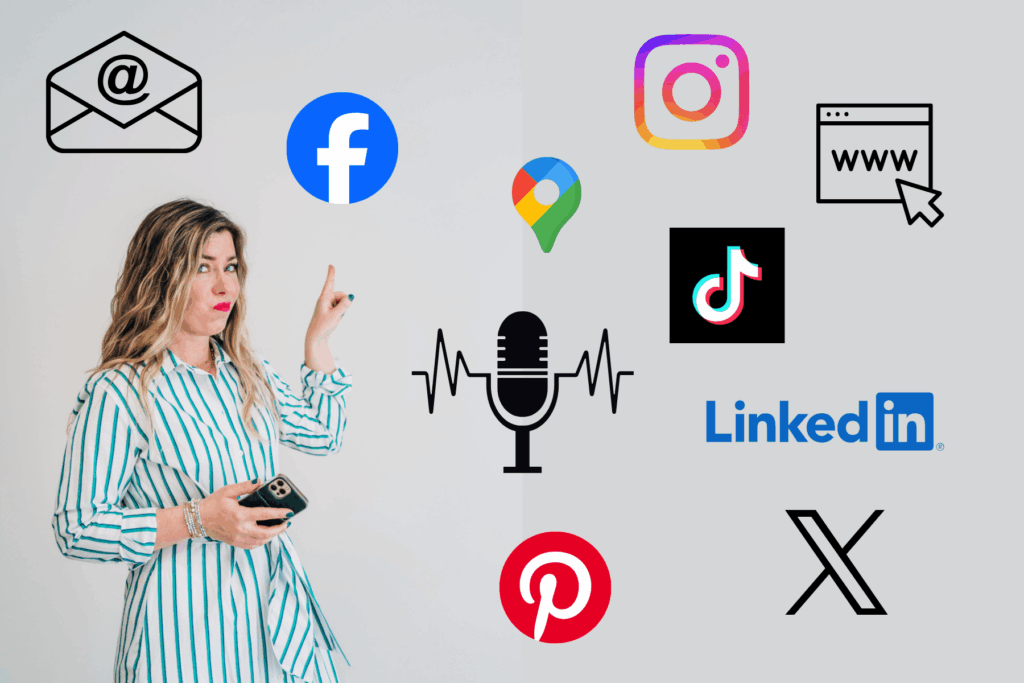
Marketing a nonprofit can sometimes feel like juggling flaming torches while walking a tightrope. Between social media, email campaigns, Google Ads, community events, and donor outreach, it’s easy to wonder:
“Where should we even focus?”
The truth is, you don’t need to do everything to make an impact — you just need to do the right things, consistently. Let’s simplify your strategy.
Step 1: Start with Your People
Every strong marketing plan begins with understanding who you’re talking to. Your audience determines your strategy — not the other way around.
Ask yourself:
- Who are our biggest supporters right now?
- Where do they spend time — online and offline?
- What motivates them to give, volunteer, or get involved?
Examples:
- If your donors are local families who attend community events, focus on email, local partnerships, and social media (especially Facebook or Instagram).
- If your audience is business owners or grant partners, prioritize LinkedIn, newsletters, and storytelling blogs to build credibility.
Pro Tip: Build simple audience profiles or personas for your main supporter types — this makes every marketing choice clearer.
Step 2: Match Your Mission to Your Medium
Each marketing channel serves a unique purpose. When you match your mission with the right medium, your message lands more effectively.
| Channel | Best For | Example Use |
| Social Media | Storytelling & connection | Share photos, impact stats, and personal stories that humanize your mission |
| Deepening relationships | Send updates, success stories, and clear calls to action for donations or events | |
| Website + SEO | Visibility & credibility | Make sure every campaign leads back to a well-optimized home base |
| Google Ads / Meta Ads | Growth & awareness | Use grants or paid campaigns to reach new donors or volunteers |
| Events + Local Partnerships | Trust & community | Build in-person relationships and brand recognition in your area |
Pro Tip: Pair one digital growth channel (like Ads or SEO) with one relationship channel (like email or events) to balance reach and retention.
Step 3: Choose No More Than Three Core Channels
Most nonprofits spread themselves too thin. You don’t have to be everywhere — just show up well where it matters most.
Choose up to three channels that align with:
- Your audience
- Your goals
- Your team’s capacity
Examples:
- A youth-focused nonprofit might use Instagram, email, and school partnerships.
- A community health organization might focus on Facebook, Google Ads, and newsletters.
- A foundation or grantmaker might prioritize LinkedIn, PR, and website content.
Pro Tip: Depth beats breadth — consistency builds trust faster than being everywhere inconsistently.
Step 4: Measure What Matters
It’s easy to chase vanity metrics like post likes or follower counts. Instead, track metrics that reflect real connection and measurable impact.
Focus on:
- Email: open and click-through rates
- Website: visits, donations, and time on page
- Events: attendance, sign-ups, and repeat engagement
- Volunteers: new sign-ups or hours served
Ask yourself regularly:
“Is this channel helping us deepen relationships or drive meaningful action?”
If not, it might be time to adjust your focus.
Pro Tip: Review your analytics monthly and quarterly — patterns reveal where your real momentum lives.
Step 5: Keep It Human
At its heart, nonprofit marketing isn’t about being trendy — it’s about being consistent, kind, and clear.
Your mission deserves visibility, but it shouldn’t come at the cost of burnout or confusion.
- Start small and build sustainably.
- Keep your messaging rooted in your values.
- Remember: the best marketing channel is the one that helps people feel connected to your cause.
Takeaway
You don’t have to master every platform — just choose the ones that make the most sense for your team and community.
If you’re not sure where to start (or tired of guessing what’s working), we can help.
Our team specializes in creating holistic marketing strategies for nonprofits. Book a Nonprofit Marketing Strategy Session with The Mina Company and get a clear, actionable roadmap for your organization — so you can spend less time juggling and more time creating impact.
FAQ: Nonprofit Marketing Channels
1. What are the best marketing channels for nonprofits?
The best channels depend on your audience and goals, but most nonprofits find success using a mix of email marketing, social media, and local partnerships. Add Google Ads or SEO for growth and visibility.
2. How many marketing channels should a nonprofit focus on?
Three is ideal. Choosing fewer channels allows for deeper engagement, stronger consistency, and better use of limited resources.
3. How can we tell if our marketing channels are working?
Track metrics tied to impact — donations, volunteer sign-ups, event attendance, and engagement rates. If a platform isn’t driving meaningful action, it may not be the right fit for your audience.
Written by The Mina Company — intuitive marketing strategy for nonprofits that want to grow with purpose.